By AbZu
A flowing stream of thoughts based on a seed idea: Neuroplasticity — specifically, how psilocybin affects the brain.
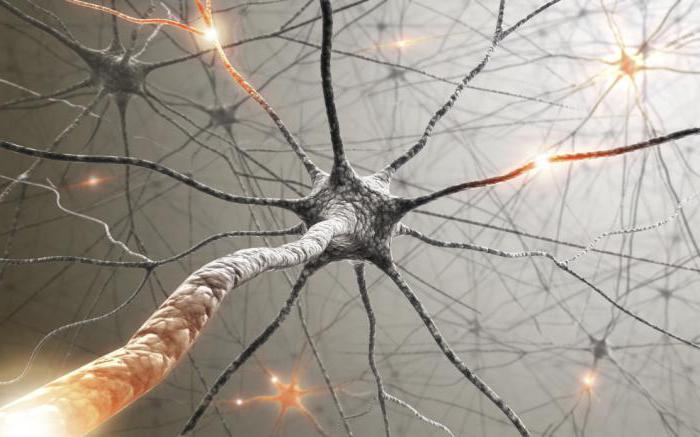
Psilocybin seems to create a kind of hyperconnected brain state, largely because of its neuroplastic effects. The mushrooms activate serotonin receptors that spark neurogenesis (the growth of new brain cells) and synaptogenesis (the formation of new neural connections).
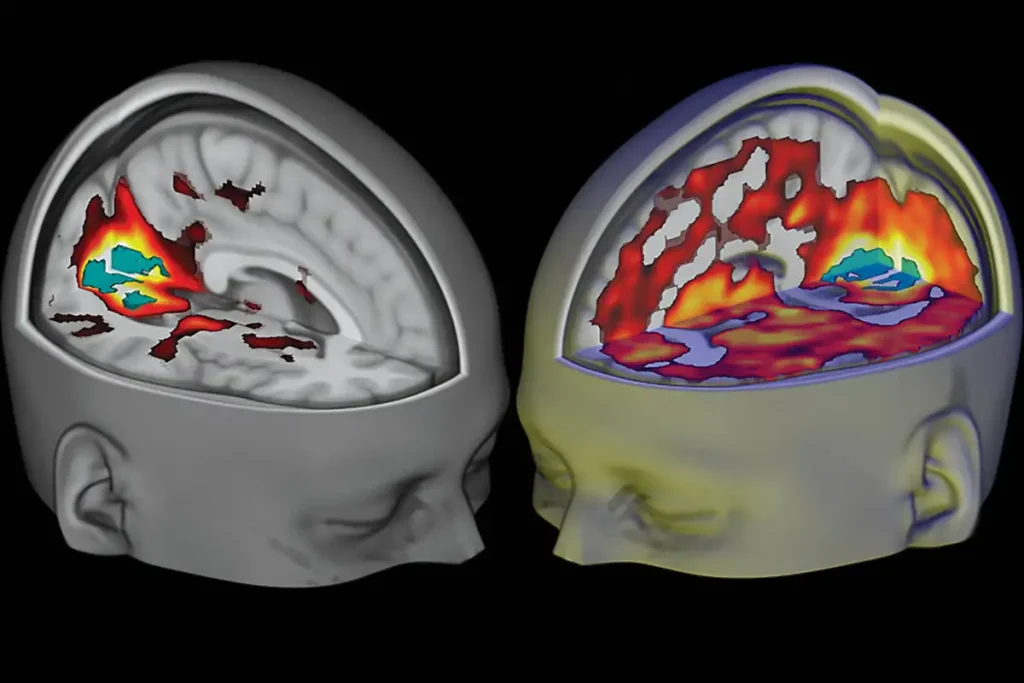
Brain scans back this up — they show the mushrooms literally rewiring the brain.
One of the most popular and safest methods to stimulate neuroplasticity in the brain is with MD (Microdosing).
Psilocybin Microdosing
Psilocybin no longer necessarily means talking about an intense psychedelic experience. Microdosing involves using very small amounts, below the level that would normally produce an obvious psychedelic experience.
The brain receives a small psychedelic stimulus without the person losing control of their everyday experience.
Psilocybin is a psychedelic compound that, once converted into psilocin in the body, interacts primarily with certain serotonin receptors, especially the 5-HT2A receptor.
At sufficiently high doses, this interaction can produce a profound alteration in perception, thought, and one’s sense of identity. Generally considered as a beneficial experience.
Microdosing seeks something very different.
It does not aim to “trip.” Nor does it aim to produce alterations of perception. The idea is to remain in a zone where the person can continue with their normal life and, if the experience is properly adjusted, barely notice directly that they have taken anything.
People who practice microdosing often report small changes: greater ability to concentrate, a feeling of being more present, greater openness of mind, creativity, improved mood, or a different relationship with everyday problems.
It is not necessarily a spectacular effect. In fact, many people describe something much subtler: feeling slightly different.
For example, another recent analysis of three trials, involving a total of 171 participants, found a small favorable effect on the quality of original ideas—what is known as divergent thinking.
Microdosing can be a catalyst, not the engine of change.
Protocols and Dosage
Dosage
There are many opinions on this subject, but as a guideline, the recommended doses are 200 mg or 300 mg.
The 200 mg dose is almost never perceptible, but it does have an effect, and it is recommended for people who might experience discomfort with 300 mg.
Protocols
P1 → One capsule every day.
Recommended for people with serious depression or other personality-related problems.
P2 → One capsule every other day.
Recommended for people with mild and occasional depression.
P3 → One capsule every two days. One day YES, two days NO.
Recommended for people without any particular problems who are interested in increasing their sense of well-being, eliminating mental fog, and increasing creativity.
IMPORTANT: It is extremely important to strictly follow the protocols for a minimum of two months, without skipping the prescribed rhythm. The aim is to create a hyperconnected brain.
Observe the changes.
There is a wealth of clinical evidence showing psilocybin’s significant effectiveness in treating depression. Compared to standard antidepressants, which must be taken for long stretches of time, psilocybin has the potential to enduringly relieve the symptoms of depression with one or two treatments.”
Case study 1 – A woman with six years of deep depression on a daily dose of Prozac. After one month on Protocol 1, she felt a marked improvement. After the recommended two-month treatment, she was completely cured. No more Prozac required.
Case study 2 – A 70 year old man with 12 years of deep depression, on antidepressant medications. The depression produced a dependency on alcohol as an additional complication. After a two-month treatment on Protocol 1, he was completely cured of his depression and alcoholism. No further pharmaceutical medication was required after twelve years.
Further Reading
What You Need to Know About Microdosing for ADHD
Neuroplasticity and Neuro-Generation: The Promise of Psychedelics
Neuroscience JUST Did the IMPOSSIBLE
Psilocybin delays aging, extends lifespan, new Emory study suggests
‘Microdosers’ of LSD and Magic Mushrooms are Wiser and More Creative